




 Zyban Myths Debunked: Separating Fact from Fiction
Busting the Instant Quit Myth: Realistic Timelines
I once expected quitting to feel like flipping a switch, but reality unfolded differently. Zyban doesn't usually deliver overnight success; it reduces cravings progressively, and many users notice meaningful change after two to four weeks. Think of it as pacing rather than teleportation: small early wins build momentum.
| Timeline | Expectation |
|---|---|
| Weeks | Progressive |
Expect variation: some people feel less tempted within days while others require the full course to notice steady improvement. Combining Zyban with counseling, coping strategies, and realistic goals shortens the journey. Track patterns, celebrate reductions in daily smoking, and prepare for occasional setbacks. With patience and support most users move from controlled slips to lasting abstinence over several weeks to months. Results typically improve with adherence.
How Zyban Actually Works: Brain Chemistry Explained
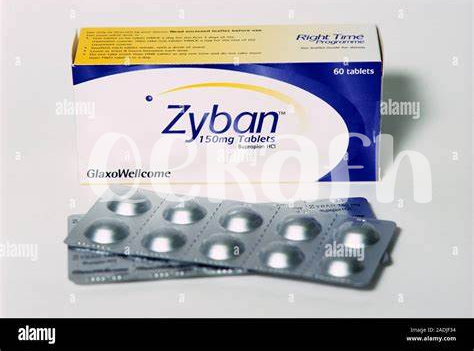
I remember the day I decided to quit; curiosity led me to learn that zyban doesn’t flood the brain with nicotine but gently alters neurotransmitter balance. It’s a subtle process, not an immediate reset.
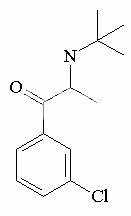
It raises levels of dopamine and norepinephrine, easing cravings and withdrawal by stabilizing mood and reward signals. Effects accumulate gradually over several weeks.
This biochemical nudging gives the brain a chance to recalibrate, making habitual smoking less compelling while habits are reshaped through behavior change. Consistency strengthens new neural pathways over time.
Understanding this mechanism reframes expectations: zyban supports neural recovery, but success still depends on effort, timing, and often combining medication with counseling. Pairing with therapy multiplies long-term success odds.
Side Effects Reality: Common Versus Rare Concerns
When someone begins zyban, the body’s reaction can feel personal: mild nausea, dry mouth or trouble sleeping are common and usually ease within a few weeks. Knowing these typical responses helps set expectations and reduces alarm, turning early discomfort into manageable steps toward quitting soon.
Less frequent effects—changes in mood or vivid dreams—should prompt a conversation with a clinician, especially for anyone with depression or bipolar history. Serious reactions are rare, but awareness matters: tracking symptoms and timing provides valuable information for safe adjustments and monitoring. Don't ignore persistent signs.
Balancing risks and benefits means discussing personal health, other medications and lifestyle. For most, benefits outweigh temporary side effects, especially when combined with counseling. Keep notes on severity and duration, report worrying patterns, and remember that with proper supervision, zyban can be a controlled tool toward lasting cessation and recovery.
Dependency Confusion: Non-addictive but Habit Challenges Exist
She remembered lighting up during coffee breaks, a reflex older than her memory. Starting zyban eased the nicotine cravings and doctors reassured her it isn’t chemically addictive, but the empty ritual stayed—hands, breaks, social cues. That familiar comfort can mimic dependence even when the drug isn’t creating physical addiction, so many smokers report strong habit-driven urges long after withdrawal symptoms fade.
Understanding this distinction helps tailor quitting plans: combine zyban’s neurochemical support with behavioral strategies like cue avoidance, replacement routines, and counseling. Expect psychological cravings; plan coping techniques and social support, and consult clinicians about tapering and side effect management. Framing relapse as learning rather than failure keeps motivation intact. With medication plus targeted behavioral change, the ritual power diminishes and long-term abstinence becomes far more achievable. Track progress, celebrate small wins, and reward yourself for sticking with new routines.
Interactions and Safety: Medications and Health Conditions
Imagining a safe quit journey helps. Before starting zyban, tell your clinician about all prescriptions, herbs, and conditions. Some antidepressants or seizure histories require adjustments, so planning prevents surprises and keeps the brain and body safeguarded.
Review interactions with blood pressure meds, MAOIs, and stimulants; avoid mixing without supervision. Regular checkups catch side effects early, and informing your team about liver, heart, or psychiatric history improves safety and dosing decisions.
| Drug | Risk |
|---|---|
| Zyban | Seizure risk if combined with stimulants or alcohol; monitor |
| Note | Inform doctor about liver, heart, serotonin agents |
Practical Tips: Combining Zyban with Therapy and Willpower
Start by setting a clear quit date and sharing the plan with a counselor or support group, then use Zyban as prescribed while building routines that replace smoking—small rituals, alternative activities, and accountability from friends.
Combine medication with cognitive behavioral strategies: identify triggers, rehearse coping responses, practice delay techniques, and keep a craving diary; communicate successes and side effects with your prescriber so adjustments can be made safely and promptly.
Remember that willpower helps but isn’t infallible; set realistic milestones, accept occasional lapses without shame, analyze what led to them, then adjust coping plans—each small recovery strengthens confidence and reduces the chance of relapse later.
Use practical tools: set phone reminders for doses, reward milestones, involve family for encouragement, increase exercise and sleep hygiene, keep a food and mood log, and schedule regular follow-ups to evaluate progress and duration goals.