




 Comparing Zanaflex and Baclofen: Which Better?
Mechanism of Action and How They Differ
Clinicians often weigh two oral agents when addressing spinal spasticity: tizanidine and baclofen, each offering distinct neurochemical approaches. Understanding their actions clarifies appropriate selection, commonly used after stroke or multiple sclerosis.
| Feature | Tizanidine | Baclofen |
|---|---|---|
| Primary receptor | alpha2 adrenergic | GABAB |
| Site | Brainstem and spinal | Spinal cord |
Tizanidine reduces excitatory input by activating central alpha2 receptors, lowering presynaptic neurotransmitter release and reflex motor neuron activity. Its short half-life produces rapid symptomatic onset but requires careful titration, aiding pain control.
Baclofen mimics GABAB inhibition at the spinal level, diminishing interneuron-mediated facilitation and reducing tone, with longer duration and less central sedation compared to tizanidine. Clinically, choose based on predominant site of pathology, side effect tolerance, and dosing needs.
Comparative Effectiveness for Spasticity and Pain Relief

Clinicians weigh zanaflex against baclofen when targeting spasticity; zanaflex can reduce tone quickly in focal spasticity, while baclofen is preferred for generalized spinal cord or cerebral spasticity.
Regarding pain, zanaflex offers modest analgesic benefit by reducing muscle spasm and discomfort, whereas baclofen may lessen pain through reduced reflex hyperexcitability; neither is a primary analgesic for nociceptive or neuropathic pain.
Choice hinges on distribution, severity, comorbidities, sedation risk, and goals—trials and experience suggest zanaflex for rapid symptomatic control and baclofen for chronic diffuse spasticity, with careful titration and monitoring guiding response.
Side Effect Profiles Including Sedation Muscle Weakness Dizziness
Clinicians often describe the first days on therapy as a foggy adjustment period; patients report notable sedation with both agents, though zanaflex tends to produce more pronounced sleepiness early on. Monitoring daytime somnolence is essential because it impacts safety and adherence.
Muscle weakness can be therapeutic but also problematic, reduced tone helps spasticity yet may impair ambulation or respiratory function in vulnerable patients. Baclofen's central GABAergic action often leads to generalized weakness at higher doses; dose titration and functional assessments are key.
Dizziness and lightheadedness arise from orthostatic effects and central nervous system depression. Counsel patients to stand slowly and avoid hazardous tasks until tolerability is established; combining agents or sedatives increases risk.
Balancing efficacy and adverse effects means starting low, titrating slowly, and choosing based on comorbidities, concomitant medications, and lifestyle goals. Regular follow-up and patient education improve outcomes.
Dosing Strategies Onset Duration and Withdrawal Considerations
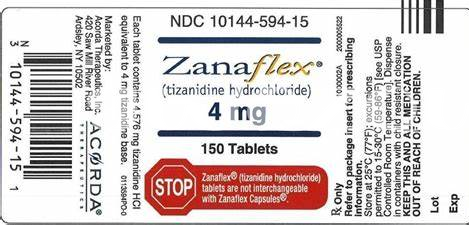
Initiating therapy often feels like navigating a balancing act: clinicians usually start at low doses and increase gradually to gauge efficacy and tolerability. For example, zanaflex is commonly begun at bedtime at modest doses because of pronounced sedation, while baclofen regimens may use more frequent dosing.
Onset varies—tizanidine works relatively quickly within an hour, with a shorter duration that necessitates multiple daily doses; baclofen’s onset is slower but its effects can be sustained longer, affecting scheduling and functional goals. Patients should be counseled about peak effects to time activities and avoid driving during early titration.
Withdrawal is a concern: abrupt cessation, especially of baclofen, can precipitate rebound spasticity and rare serious complications, so taper slowly. Maintain clear follow-up plans, document dose changes, and educate patients about what symptoms require urgent review.
Drug Interactions Contraindications and Special Populations
Check interactions carefully: both agents potentiate CNS depressants and can amplify respiratory depression with opioids or benzodiazepines. Monitor for additive sedation with alcohol or antihistamines.
Contraindications differ: severe hepatic impairment cautions zanaflex, whereas renal dysfunction impacts dosing of baclofen. Avoid abrupt cessation to prevent withdrawal seizures or rebound spasticity.
Special populations need tailoring: elderly patients require lower doses and slow titration; pregnant or breastfeeding patients demand risk–benefit discussion and neurologic consultation. Coordinate with primary care and pharmacists, scheduling routine checks to ensure safe use.
| Agent | Key note |
|---|---|
| Zanaflex | CNS depression |
Choosing between Them with Practical Tips for Clinicians
When selecting between tizanidine and baclofen, weigh mechanism, side effects, and patient goals. Tizanidine often suits patients needing short‑lived relief, coexistent pain, and acceptable liver function; baclofen favors chronic spasticity, spinal cord injury, or when renal clearance is adequate. Consider sedation, hypotension risk, and withdrawal potential.
Clinically, start low and titrate slowly while monitoring blood pressure and motor strength. Review CNS depressants, hepatic or renal impairment, and dosing convenience. Educate patients about sedation; taper both drugs to avoid rebound spasms and reassess function and adverse effects within several weeks thereafter.