




 Propecia and Fertility: Myths Versus Evidence
How Finasteride Works: Mechanism and Reproductive Pathways
Patients often ask how the drug works; it blocks 5-alpha-reductase, the enzyme that converts testosterone into dihydrotestosterone. This reduces tissue DHT and shrinks androgen-dependent structures.
Clinically that translates into less prostate enlargement and slower hair loss, effects generally driven by lowered local androgen activity.
Because the enzyme acts in reproductive tissues, patients worry about sperm and fertility; mechanistic suppression of DHT may alter tissue milieu briefly.
Most evidence shows systemic hormone levels stay stable and functional outcomes are usually preserved, though monitoring is reasonable during treatment.
| Target | Effect |
|---|---|
| DHT | Reduced |
Common Myths Linking Propecia to Male Infertility

Stories on forums and anecdotal reports make propecia sound like a fertility doomsday, but the reality is nuanced. Many myths conflate short-term alterations in semen analysis with irreversible sterility, or treat isolated reports as proof of causation. Some presume that any sexual side effect—reduced libido or erection issues—equates to diminished sperm production, yet these are different physiologic pathways. Fearful anecdotes travel faster than controlled evidence, shaping public perception.
High-quality studies and reviews generally find little or no long-term effect on fertility for most men, though isolated case reports prompt continued vigilance. Clinicians recommend discussing concerns, checking baseline semen parameters when fertility is a priority, and pausing therapy if conception is urgent. Alternatives like topical minoxidil or referral to a specialist can balance hair goals with family plans. Accurate information helps separate rare adverse outcomes from widespread misconception and seek guidance.
What Clinical Trials Actually Reveal about Fertility
Clinical trials testing propecia generally report reassuring results: randomized studies and controlled comparisons show no consistent, clinically significant reduction in fertility or pregnancy rates. Some trials noted small, transient declines in semen volume or sperm concentration, but changes tended to be reversible after stopping treatment and were more evident with higher finasteride doses than with the 1 mg tablet.
However, limitations matter: many studies excluded men seeking fertility, had small samples and short follow-up, and were underpowered for pregnancy outcomes. That nuance means evidence points to low risk rather than absolute proof. Clinicians should discuss uncertainties, monitor semen parameters if warranted, and consider alternatives or temporary discontinuation when fertility is a near-term priority, and follow-up.
Semen Parameters: Short Term Changes Versus Long Term Outcomes
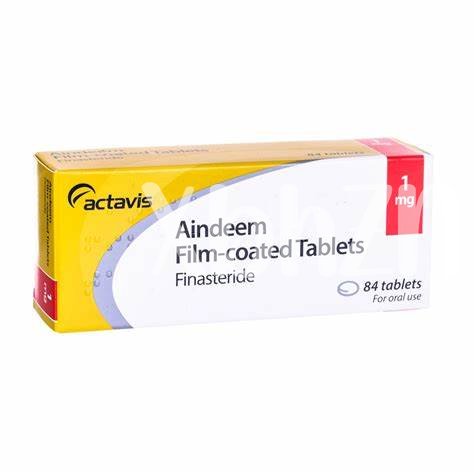
When men start propecia, some notice shifts in semen quality. Early changes—slight drops in volume or concentration—are often transient and detectable by lab tests.
Clinical data suggest short-term fluctuations typically resolve after continuing or stopping treatment, particularly in men with normal baseline fertility and timing of samples matter.
Long-term studies do not show a consistent link between finasteride and permanent infertility in most users. Most recovered normal measures thereafter quickly.
Counseling and targeted semen analysis help distinguish transient lab noise from meaningful harm and guide decisions about dose or alternatives.
Fertility Risks by Dose, Age, and Treatment Duration
Patients often worry that higher doses mean guaranteed harm, but evidence shows dose-response for propecia is limited; standard 1 mg rarely alters fertility markers. Age matters more: younger men may recover semen changes quicker, while older men commonly face baseline declines that confound treatment effects.
Duration is key: short courses sometimes cause transient semen shifts that normalize after stopping, but prolonged use can obscure fertility assessments. Clinicians should weigh treatment goals, perform baseline testing, and discuss sperm analysis timing so couples understand realistic timelines and reversible versus persistent risks ongoing.
| Factor | Consideration |
|---|---|
| Dose | Standard 1 mg usually low risk |
| Duration | Short-term transient changes; long-term assessment needed |
Practical Takeaways: Counseling, Monitoring, and Alternative Options
When counseling men who use finasteride, be direct about risks and uncertainties: explain that large trials show minimal long-term fertility effects for most, but rare reversible sperm changes can occur. Encourage discussion of reproductive plans before starting therapy so choices align with family goals.
Monitoring can be pragmatic: baseline semen analysis for men with known subfertility, and repeat testing only if conception fails or symptoms arise. Routine checks for all users are unnecessary and may cause undue anxiety.
Consider alternatives like topical therapy or observation; men seeking immediate conception may pause treatment, as sperm usually recover within a few months. Emphasize shared decision-making, documented counseling, and scheduled follow-up to balance hair goals with reproductive priorities.