




 Priligy Myths Debunked: Facts Versus Fiction
How Priligy Works: Mechanism Versus Popular Belief
Many men imagine an instant miracle—a pill that flips a switch and ends premature climaxing overnight. The reality is subtler: the drug adjusts brain signaling related to ejaculation timing rather than producing immediate numbness, and effects build with proper dosing and expectation management.
Pharmacologically, it prolongs serotonin activity in central pathways that modulate ejaculatory reflexes; slowing nerve signals that trigger climax. Clinical onset is variable—some notice benefit within hours, others need repeated doses. Myth: it acts like an anesthetic on the penis; truth: it works centrally. Response varies by individual physiology.
Understanding mechanism helps set realistic expectations: gradual improvement, possible side effects, and the importance of timing with sexual activity. Consult a clinician to tailor use and dispel exaggerated promises and address individual concerns.
| Aspect | Belief |
|---|---|
| Action site | Central serotonin regulation delays ejaculatory reflex |
| Onset | Varies widely days to weeks |
Effectiveness Myths: Real Outcomes Versus Hype
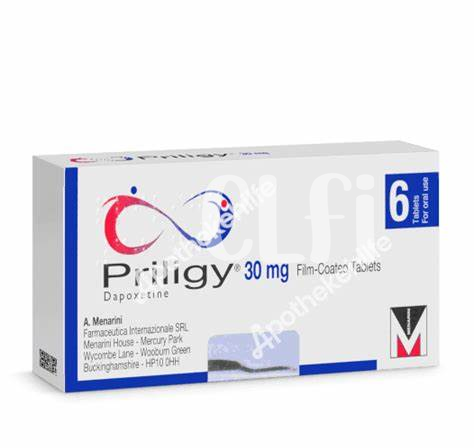
Many expect a miracle pill, but priligy works within limits. Trials report measurable delay, yet individual response varies. Some men experience significant benefit; others see minimal change.
Hype often ignores psychological and partner factors that shape outcomes; combining therapy and realistic expectations improves benefit. Placebo-controlled studies give median gains measured in minutes, not hours.
Discuss goals with a clinician, monitor effects, and consider alternatives when results are unsatisfying—data guides use, not anecdotes. Safety, timing, and dosage affect results, and long-term habits often require behavioral approaches for sustained, measurable clinical improvement.
Safety Concerns: Side Effects and True Risks
Imagine opening a small bottle with hope and hesitation: priligy promises control, but common side effects—nausea, dizziness, headache and insomnia—are usually mild, brief, and tend to fade after a few doses for many users alike.
Serious reactions exist: fainting episodes have occurred and rare serotonin syndrome can follow combined serotonergic drugs. Priligy may affect heart rhythm in susceptible people; disclose cardiac history and current medications to your physician before use.
Avoid mixing with MAO inhibitors or other antidepressants, and be cautious with alcohol. Strong CYP3A4 inhibitors raise priligy levels, so certain antifungals and antivirals are contraindicated. Always review prescriptions and supplements with a clinician first.
If side effects persist or worsen, seek medical attention; severe reactions require stopping the medication. Doctors can tailor decisions based on liver function, cardiovascular status, and concurrent drugs, ensuring priligy is used safely and effectively.
Addiction Myth: Is Priligy Physically Addictive?
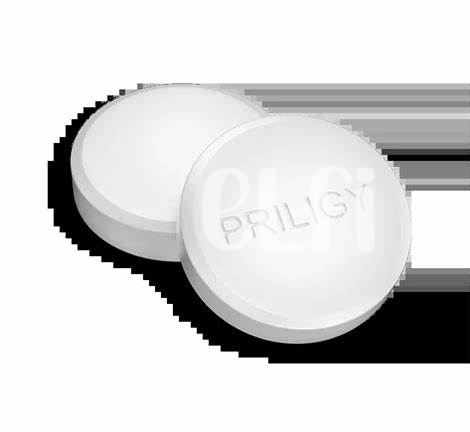
Many men worry that using priligy will lead to physical addiction. Clinically, dapoxetine — the active ingredient — is not associated with dependence the way opioids or benzodiazepines are; it’s taken only when needed and cleared from the body.
However, psychological reliance can occur: if a man believes medication is the only way to perform, confidence may drop without it. That’s not biological addiction but a learned dependence tied to behavior and expectation.
To stay safe, use priligy under medical guidance, review antidepressant or heart‑medication interactions, and consider sex‑therapy or behavioral strategies that build skills alongside or instead of pills. Discuss concerns with your prescriber to set realistic expectations and monitor effects honestly and regularly.
Interactions and Contraindications: What You Must Know
At the clinic I learned a simple truth: what you take alongside a sexual-health medicine shapes its safety. Priligy can be safe alone, but combinations change the story quickly.
Major concerns include serotonin syndrome and higher drug levels. Avoid combining priligy with MAO inhibitors, SSRIs, SNRIs, or potent CYP3A4 inhibitors such as ketoconazole or ritonavir unless medically supervised.
People with significant heart disease, conduction problems, or a history of syncope should generally avoid it. Severe liver impairment and certain psychiatric conditions also rule it out unless advised.
Always give your clinician a full medication list, including OTCs and supplements. Discuss alcohol use and follow dosing directions — small adjustments avoid big risks and ask about alternatives.
| Medication/Condition | Primary Concern |
|---|---|
| MAO inhibitors, SSRIs, SNRIs | Serotonin syndrome |
| CYP3A4 inhibitors (ketoconazole, ritonavir) | Increased drug levels/toxicity |
| Cardiac disease, syncope | Fainting, arrhythmia risk |
Practical Guidance: Proper Use, Expectations, and Alternatives
Its use is simple: take the tablet one to three hours before planned intimacy, and allow time for absorption. Always follow a prescriber's instructions, avoid alcohol, and never exceed the recommended dose for safety purposes.
Expectations should be realistic; dapoxetine can delay ejaculation for many men, but results vary. Effects are transient, not curative. Track responses and side effects, and report dizziness, fainting, or mood changes promptly to your clinician.
Alternatives include behavioral techniques like start–stop or squeeze methods, topical anesthetic agents, condoms, and counseling for anxiety. Some medications prescribed off-label may help, but they require medical supervision to weigh benefits against risks and interactions.
Coordinate care: disclose all medications, supplements, and health conditions so contraindications are recognized. If dapoxetine isn't suitable, your doctor can tailor options combining therapy, medical treatments, or lifestyle changes to achieve safer, sustainable outcomes effectively.