




 Managing Pregabalin Withdrawal: Tips and Timeline
Understanding Pregabalin Withdrawal: What to Expect
I remember the fog of stopping pregabalin: light-headed mornings, anxious evenings, and a creeping irritability that felt unfair. Withdrawal often blends physical and emotional reactions, so knowing common patterns makes the journey less isolating.
Expect variability: timing, intensity and symptom mix differ person to person.
| Phase | Typical timing |
|---|---|
| Acute | Days 1–14 |
| Protracted | Weeks to months |
| Delayed | Less common, variable onset |
Peak severity is frequently within the first week to ten days for physical symptoms, while sleep, mood and cognitive effects may peak later and persist. Tracking symptom timing clarifies progress and guides taper adjustments.
Prepare a taper plan with your prescriber, taper conservatively, and use supports like consistent sleep, movement and connection to reduce distress.
Typical Timeline: Acute, Protracted, and Delayed Phases

Imagine the day after stopping pregabalin: the first window is usually intense, with sleep disruption, flu-like aches, anxiety, and sensory hypersensitivity rising over days. For many these acute symptoms begin within 24–72 hours and peak in the first week as the body reacts to loss of the drug. Short-term intensity varies with dose, duration, and taper speed; some feel dramatic shifts while others notice subtler changes. Recognizing this early surge helps people brace for the worst of physical and emotional symptoms and to prioritize rest, hydration, and a slower reduction if symptoms become severe.
Later, lingering symptoms may persist for weeks or months; steady medical support, paced activity, social care, and patience ease gradual recovery.
Recognizing Common Symptoms and When They Peak
You might wake at night with a racing mind and aching limbs, wondering if the sensations are normal. Early withdrawal from pregabalin commonly brings anxiety, insomnia, dizziness, and flu-like malaise; physical pain and sensory disturbances such as pins-and-needles often appear within days. These symptoms can feel overwhelming because they arrive quickly and unpredictably.
About one to two weeks in, emotional symptoms—irritability, low mood, and panic—tend to intensify, while physical symptoms often peak and gradually ease. Sleep disruption usually worsens around this time, magnifying fatigue and cognitive fog. Knowing this typical rhythm helps you anticipate bad days and plan rest or support.
After two to eight weeks some people see steady improvement, though protracted sensory or sleep issues may linger. Track symptoms, note peak patterns, and communicate changes with your clinician so taper adjustments or supportive treatments can be timed effectively.
Safer Taper Strategies to Reduce Withdrawal Severity
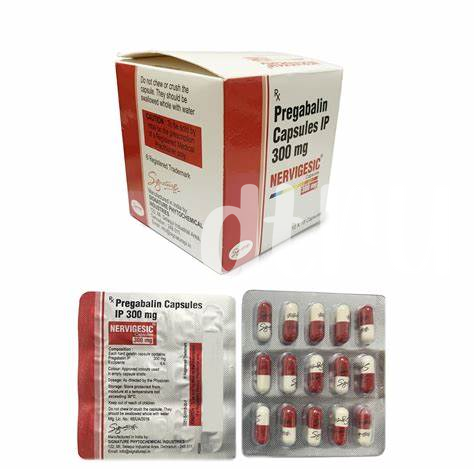
I remember feeling anxious about stopping pregabalin, but a planned, gradual approach eased that fear. Work with your prescriber to set personalized, small reductions and clear check-ins to track progress.
Aim for decreases of 10–25% every two to four weeks, slowing when withdrawal flares. Consider micro-tapering, pill-splitting or liquid formulations to fine-tune doses and reduce shock.
Keep a symptom diary, maintain sleep and nutrition, and lean on therapy or support groups during tough stretches. If severe symptoms arise, pause reductions and contact your clinician promptly for alternatives or supervised cross-tapers.
Supportive Self-care: Sleep, Nutrition, Movement, Coping
First, aim for gentle routines: a predictable bedtime, light exposure in mornings, and calming rituals to ease nervous energy during pregabalin taper.
Eat regular nourishing meals, prioritize protein and vegetables, stay hydrated regularly, and avoid excess caffeine which can worsen anxiety and sleep disruption.
Move gently: short walks, stretching, or yoga modulate mood and circulation; keep intensity low when symptoms spike to avoid setbacks in recovery.
Build coping tools: breathing, grounding, journaling, and small social contacts. Track patterns, celebrate small wins, and ask for help early, and rest when needed.
When to Seek Medical Help or Specialist Support
If withdrawal becomes overwhelming, don't try to tough it out alone. Seek prompt evaluation for severe chest pain, breathing trouble, fainting, high fever, suicidal thoughts, or sudden confusion. Your prescriber or emergency department can assess risks and rule out other causes; early medical input often prevents complications.
Consider specialist referral if withdrawal is prolonged, relapsing, or if pain, anxiety, or sleep problems become unmanageable. Addiction medicine, neurology, psychiatry, or pain clinics offer tailored taper plans, medication options, and psychological support. Arrange follow-up and a safety plan before making significant changes.