




 Prednisolone Vs Prednisone: Key Differences Explained
How Prednisolone and Prednisone Differ Chemically
Picture two steroid relatives occupying the same shelf: chemically similar scaffolds but with a tweak that changes how they behave in the body and how quickly they act and reliably.
One is a hepatic prodrug requiring reduction at C11 to form an 11-hydroxyl group; the other already carries that hydroxyl, allowing direct receptor binding and immediate pharmacologic effect in patients.
| Feature | Prednisone | Prednisolone |
|---|---|---|
| Form | prodrug | active |
| Group | 11-keto | 11-hydroxyl |
| Activation | liver conversion | more immediate activity |
| Speed | slower onset | much faster onset |
| Clinical | monitor LFTs regularly | prefer active if impaired liver |
Which One Your Body Activates Faster
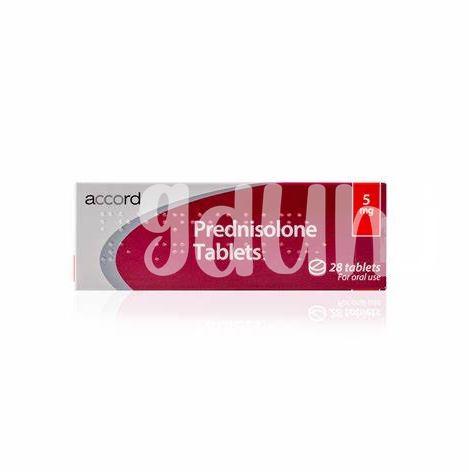
Imagine a relay where the baton is medication and the finish line is symptom relief. Prednisolone arrives already active, skipping a conversion step that prednisone requires in the liver before it can ease inflammation effectively.
In healthy adults, liver conversion of prednisone to prednisolone is usually rapid, producing similar clinical effects after absorption. But variable enzymatic activity, drug interactions, or organ dysfunction can slow that conversion significantly and delay relief.
Clinically, physicians often prefer prednisolone when rapid onset is desired or hepatic metabolism is uncertain — for infants, people with liver disease, or acute exacerbations. This direct activity can reduce unpredictability and optimize early symptom control.
In practice, timing matters: when rapid anti-inflammatory response is crucial, starting prednisolone can be prudent. Yet clinicians weigh side effects, dosing equivalence, and interactions; individualized choice and monitoring ensure fastest safe return to daily life.
Effectiveness Across Conditions: Practical Evidence Compared
Clinicians observe variations: in asthma exacerbations and eye inflammation one drug may act faster, shaping recovery and patient experience across diverse settings.
Randomized trials show similar efficacy for systemic inflammation, yet prednisolone, the active agent, can offer nuances in pediatric or hepatic-impaired patients' subgroups.
Real-world cohorts highlight faster symptom relief in certain ocular and airway diseases, while long-term remission rates often remain comparable between agents and settings.
Decision hinges on condition severity, age, liver function, and formulation access; practical evidence supports tailoring choice rather than assuming universal superiority for patients.
Dosage Differences, Conversions, and Clinical Tips
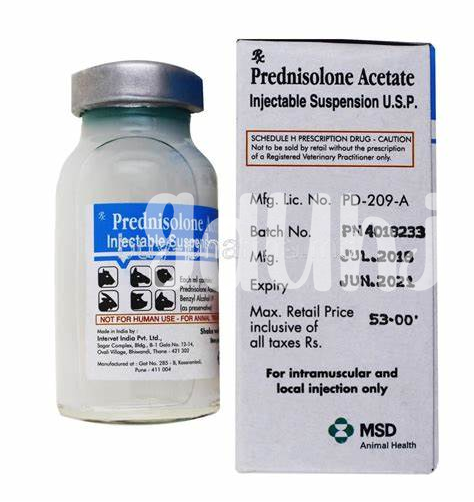
Clinicians often think in equivalents: prednisolone and prednisone are roughly 1:1 in potency, so converting doses is straightforward for most patients. Typical regimens span low maintenance doses to high-dose courses for flares, and prednisolone is preferred when liver activation is uncertain — for infants or hepatic impairment.
Practical tips: give steroids with food, use the lowest effective dose, plan gradual tapering to avoid adrenal suppression after therapy. Monitor glucose, blood pressure, bone health; beware drug interactions that alter steroid metabolism. Shared decision-making ensures dosing matches disease severity and patient risks.
Safety Profiles and Common Side Effects
A single dose can feel like a small revolution; patients often report quick relief yet wonder about trade-offs. Prednisolone’s systemic effects start the conversation about risks and monitoring routines too.
Common adverse effects include insomnia, increased appetite, mood swings, and elevated blood sugar. Long-term use raises infection risk and bone thinning, so follow-up and prevention strategies matter from day one.
Dose tapering can limit withdrawal; pharmacists guide adjustments. Be alert for hypertension and fluid retention, especially in older adults and those with heart disease proactively.
Discuss history of diabetes, infections, and vaccinations before starting therapy. Regular bone density checks and eye exams help catch complications early, making treatment safer and more personalized in many cases.
| Side effect | Typical frequency |
|---|---|
| Insomnia / mood changes | Common |
| Elevated blood glucose | Common |
| Osteoporosis (long-term) | Less common |
Choosing between Them: Practical Patient Considerations
As you and your clinician weigh options, think of prednisolone as the ready-made fuel and prednisone as the precursor that needs ignition. For patients with liver impairment, children, or those needing rapid effect, prednisolone often wins; for many oral prescriptions, prednisone remains standard because the body normally converts it efficiently. Discuss liver health, age, and pill availability.
Also weigh dosing convenience, cost, and insurance coverage: tablets, liquids, and hospital formularies differ. Monitor blood sugar, blood pressure, mood changes, and infection risk regardless of which is used. Always follow prescribed tapering schedules and discuss drug interactions, vaccinations, and pregnancy or breastfeeding plans with your provider to tailor the safest, most effective choice. Consider travel and storage.