




 Ozempic Vs Wegovy: Comparing Glp-1 Options
How Ozempic and Wegovy Differ in Formulation
A patient once said choosing between two GLP1 injections felt like picking a path through fog; formulation details became the lamp guiding their choice.
One medicine is formulated at doses approved specifically for weight management, offering higher labeled weekly doses; the other is approved primarily for diabetes with different dose strengths.
Beyond milligrams per injection, excipients, concentration, and pen design differ, affecting storage, handling, and injection comfort.
Knowing these formulation nuances lets clinicians tailor treatment toward glycemic control or weight loss while setting realistic expectations about efficacy, safety, and tolerability.
| Feature | Typical difference |
|---|---|
| Dose | Weight-management regimens often use higher labeled weekly doses |
Comparing Dosing Schedules: Weekly Doses and Flexibility

Both medications are administered once-weekly injections, which many patients find simpler than daily regimens. ozempic and Wegovy share semaglutide but differ in maintenance doses and titration, so starting dose and escalation can vary.
Weekly scheduling offers convenience—pick a consistent day and time—but allows some flexibility if schedules change; missed doses usually require taking the injection as soon as remembered within a short window or skipping and returning to the normal day. Pens and prefilled injectors also affect ease of use and dose options.
Clinicians individualize timing based on response, tolerability, and goals: diabetes-focused dosing may stay lower, while weight-management regimens typically escalate to higher maintenance doses, so planning and regular communication with a provider matter.
Weight Loss Outcomes and Real-world Effectiveness Evidence
Patients often describe the first months on GLP-1 therapy as a turning point: steady appetite reduction, fewer cravings, and measurable scale changes. Clinical trials report average losses, but real-world data reveal more varied trajectories influenced by lifestyle, adherence, and baseline weight.
Comparative studies show semaglutide formulations produce larger mean weight reductions than older agents, and many prescribers now use ozempic off-label for weight control. Observational cohorts demonstrate impressive individual responses, yet also highlight early plateaus and variable durability over years.
Interpreting effectiveness requires blending randomized trial results with registry and claims analyses. Practical counseling should set realistic expectations, emphasize continued behavior change, and monitor for diminishing returns to guide long-term treatment decisions and ongoing support.
Side Effects, Safety Profiles, Long-term Risks
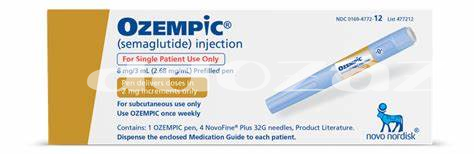
Many patients report nausea, gastrointestinal upset, and early satiety when starting ozempic; these symptoms often ease within weeks. Doctors commonly stagger dose increases and offer dietary tips to manage discomfort.
More serious but rare events include pancreatitis, gallbladder disease, and injection-site reactions; cardiovascular outcomes appear neutral or favorable in trials, yet long-term surveillance continues to refine risk estimates.
Individual factors—age, kidney function, pregnancy plans, and medication interactions—shape therapy choice. Regular follow-up, symptom reporting, and lab checks help balance benefits versus potential harms over time including thyroid monitoring in some cases.
Cost, Insurance Coverage, and Accessibility Considerations
Many patients describe sticker shock when first comparing monthly prices, and the story behind the numbers matters: list prices differ from what patients actually pay. Manufacturer savings, coupons, and pharmacy discounts can shrink out-of-pocket costs for ozempic, while discount cards rarely apply to weight‑loss branded alternatives.
Insurance landscapes complicate access; prior authorization, step therapy, and tiered formularies can delay starts. Clinicians who document medical necessity and explore patient assistance programs often speed approvals. Rural patients and those without specialty clinics may rely on mail-order pharmacies and telehealth to obtain prescriptions.
| Barrier | Typical Solution |
|---|---|
| High list price | Manufacturer coupons and PAPs |
| Prior authorization | Provider documentation |
| Limited local supply | Mail-order pharmacies and telehealth |
Choosing between Them: Patient Factors and Preferences
Patients weigh lifestyle, goals, and medical history when choosing a GLP‑1; some prioritize simpler titration, fewer side effects, or injection timing; convenience matters.
Physicians consider comorbidities like diabetes, cardiovascular risk, and GI sensitivity — these steer choice toward agents with proven benefits and tolerability data.
Insurance, cost, and patient willingness to track progress influence decisions; some accept higher expense for greater weight loss potential, others do not.
Shared decision‑making, realistic expectations, and trial periods help individuals find right fit — pairing clinical evidence with personal priorities and quality of life.