




 Mounjaro Vs. Ozempic: Key Differences Explained
Mechanisms of Action: Tirzepatide Versus Semaglutide Differences
Imagine two chefs reworking the same recipe: one adds a complementary spice. Tirzepatide mimics both GIP and GLP-1 hormones, engaging two receptors to amplify insulin release, suppress glucagon, and slow gastric emptying. Semaglutide targets only GLP-1 yet powerfully boosts insulin and promotes satiety.
That double action may explain greater average weight loss seen with tirzepatide: GIP can enhance fat metabolism and amplify appetite reduction when paired with GLP-1 effects. Semaglutide remains highly effective for glycemic control and weight through strong central appetite signaling.
Clinicians weigh benefits against side effects and patient goals: dual agonism may suit those needing more weight reduction, while GLP-1 monotherapy is an established option with robust glucose lowering and tolerability data.
| Drug | Primary receptor targets |
|---|---|
| Tirzepatide | GIP and GLP-1 |
| Semaglutide | GLP-1 only |
Efficacy for Weight Loss and Blood Sugar Control

Patients often describe a rapid sense of momentum when starting these incretin therapies: mounjaro’s dual GIP/GLP-1 action tends to deliver larger average weight reductions, while semaglutide’s GLP-1 focus also produces substantial losses. Both drugs lower fasting glucose and HbA1c robustly, but tirzepatide frequently shows greater magnitude of change in clinical trials. The practical result is quicker visible weight change for some people, which can boost adherence and motivation and confidence.
On blood sugar control both medications markedly reduce HbA1c and fasting glucose, improving cardiovascular risk factors as well. Dosing differences and individual tolerance shape which yields better real world outcomes: some patients reach target glucose faster with semaglutide’s established profile, while others sustain larger weight and glycemic gains with mounjaro. Clinicians weigh prior response, comorbidities, and goals when choosing therapy, aiming for durable metabolic improvement and minimized side effects safely.
Side Effect Profiles and Tolerability Comparisons Explained
Beginning a new injectable often brings hope and uncertainty. Gastrointestinal symptoms—nausea, vomiting, diarrhea, constipation—are the most common during dose escalation. Mounjaro often causes more pronounced early GI effects than semaglutide, but usually improve over weeks.
Hypoglycemia risk is low unless combined with sulfonylureas or insulin; both drugs share that caveat. Rare but serious events — pancreatitis and gallbladder disease — have been reported, warranting vigilance and prompt medical evaluation attention.
Tolerability often improves with gradual titration and lifestyle support. Clinical trials show slightly higher discontinuation for gastrointestinal intolerance with the dual-agonist. Dose adjustments, antiemetics, and slower escalation increase treatment persistence for many individuals over time.
Shared decision-making matters: discuss expected side effects, mitigation strategies, and when to seek care. Special populations—older adults, history of GI disease, pregnancy plans—may prefer individualized choice guided by safety and tolerability priorities and clinical judgment.
Dosing Schedules, Administration Methods, and Convenience
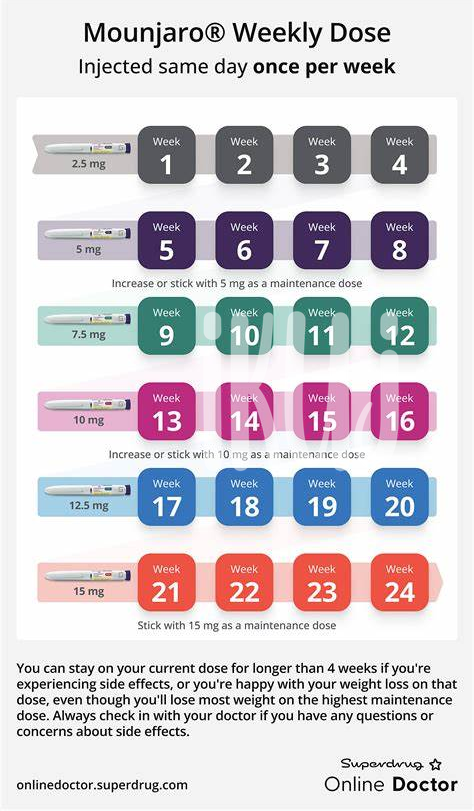
A patient's routine can shift when therapy moves from daily tablets to once-weekly injections. A single weekly pen often improves adherence. Mounjaro and competing agents use different titration patterns, so initial clinic guidance matters.
Injection technique is straightforward: subcutaneous self-administration in the abdomen, thigh, or arm, rotating sites to minimize irritation. Cold storage or travel planning may affect use.
Starting doses and stepwise increases differ to balance efficacy and tolerability; longer-acting molecules may allow slower escalation. Scheduling injections the same weekday helps adherence and aligns refills.
Ultimately, preference, manual dexterity, and lifestyle determine the best fit—many choose mounjaro for its profile, while others prioritize familiarity or cost. Shared decisions support sustained use and regular monitoring.
Cost, Insurance Coverage, and Accessibility Considerations
Paying for advanced injectables can feel like navigating a maze, but planning helps. Many patients find brand-name pricing for drugs such as mounjaro higher than older therapies, and manufacturer copay cards sometimes ease short-term outlays. Coverage varies: some formularies require prior authorization or step therapy, and out-of-pocket costs hinge on plan tiers. Working with clinicians and pharmacists often helpfully uncovers patient assistance programs or alternative dosing pathways to stretch affordability.
Access also depends on geography and specialty pharmacies; urban centers tend to stock newer agents more reliably while rural clinics may face supply lags. Telehealth and mail-order delivery bridge gaps for many, and clinical trial enrollment is another route to early access. Patients should ask providers about stepwise alternatives, generic-friendly strategies, and monitoring plans that justify coverage renewals; proactive documentation often accelerates approvals and maintains continuity of care and advocacy.
| Resource | Practical Tip |
|---|---|
| Manufacturer | Check copay cards and assistance programs |
Which Patients Benefit Most: Personalized Treatment Guidance
Choosing between Mounjaro and Ozempic hinges on goals, medical history, and tolerability. Patients seeking larger weight loss and stronger glucose lowering may benefit more from tirzepatide, while those with gastrointestinal sensitivity or preference for a long-established GLP-1 therapy might choose semaglutide. Clinicians also consider cardiovascular risk, history of pancreatitis, and interactions with current medications.
Personalized choice further factors in dosing schedule, administration comfort, out-of-pocket cost, and insurance coverage. Older adults, people with multiple medications, and those planning pregnancy require tailored assessment; both drugs are not appropriate in type 1 diabetes. A collaborative discussion about expected benefits, monitoring plans, and side-effect management helps match therapy to the person’s priorities and life circumstances. Lifestyle factors matter greatly.