




 Resistance Trends: Are Parasites Becoming Mebendazole-resistant?
How Effective Is Mebendazole in Recent Studies
In recent trials mebendazole still clears Ascaris lumbricoides effectively, often achieving cure rates above 90% with standard dosing, but results are more mixed for Trichuris trichiura and hookworm. Meta-analyses show single 500 mg doses give high efficacy against roundworms but lower and more variable outcomes for whipworms, prompting interest in longer or repeated courses.
Programmatic studies from mass drug administration campaigns report population-level reductions in prevalence but sometimes only modest declines in egg intensity, indicating that transmission interruption is challenging. Differences in study design, baseline endemicity and diagnostic methods complicate direct comparisons across regions.
Overall, recent evidence suggests partial preservation of mebendazole activity but growing heterogeneity in effectiveness that warrants vigilant surveillance, optimized dosing strategies, and exploration of complementary therapies to sustain control gains. Operational research, community engagement, and integrated WASH interventions should be prioritized alongside pharmacologic measures worldwide urgently.
| Parasite | Typical single-dose cure rate | Notes |
|---|---|---|
| Ascaris lumbricoides | ~85–95% | Consistently high |
| Trichuris trichiura | ~20–60% | Variable; improved with repeated dosing |
| Hookworms | ~60–80% | Moderate efficacy; regional variation |
Genetic Mechanisms Parasites Use to Evade Drugs

A lab bench discovery can feel like detective work: single nucleotide changes in parasite genes shift the molecular lock that drugs target. Selective pressure from mass drug administration speeds selection.
Point mutations in beta-tubulin—such as F200Y—reduce binding of benzimidazoles like mebendazole, lowering drug efficacy.
Other strategies include increased expression of efflux pumps, gene amplification, and metabolic rerouting that detoxifies compounds. Laboratory and field data reveal evolving allele frequencies.
Epigenetic shifts and horizontal gene transfer among populations accelerate adaptation, meaning surveillance must pair genetics with clinical outcomes and inform treatment policy.
Emerging Surveillance Data from Global Treatment Programs
Field reports and program databases show an evolving picture: mass drug administrations reveal pockets where outcomes with mebendazole are inconsistent. Surveillance teams note fluctuating cure rates, rapid re-infection in some areas, and occasional hotspots requiring extra rounds to meet control targets, prompting investigators to ask whether program factors or parasite adaptation explain these trends.
Standardized monitoring now combines parasitology surveys, coverage audits, and targeted molecular sampling to triangulate causes. Early genomic screens occasionally find variants in target species, though causality with clinical failure is not yet proven. Global programs emphasize timely data sharing, responsive policy changes, and sustained surveillance investment to determine whether observed patterns are transient or signal emerging resistance and inform programmatic responses.
Clinical Cases Suggesting Reduced Mebendazole Responsiveness
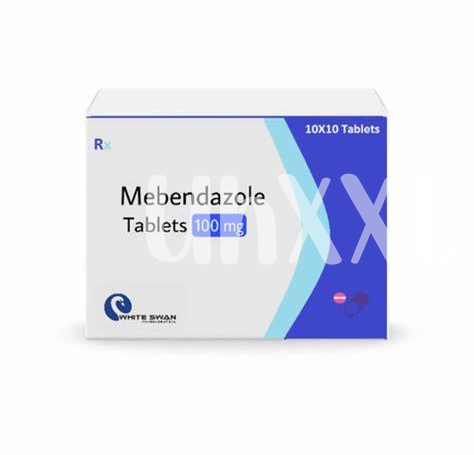
Clinicians in several endemic regions describe striking treatment failures: patients treated with mebendazole report persistent symptoms and positive stool exams despite documented adherence and correct dosing. In some instances, repeat courses produce diminishing returns, prompting concern among local providers. Detailed case series have noted patterns—older patients, heavy worm burden, and possible reinfection complicate interpretation—but the clustering of failures merits focused investigation.
Where available, parasitologic and molecular testing has occasionally identified altered susceptibility markers, but evidence remains fragmentary. These reports emphasize the need for standardized definitions of treatment failure, routine follow-up, and centralized reporting. Until larger surveillance studies confirm trends, practitioners should document cases carefully, consider alternative regimens, and collaborate with public health authorities and researchers.
Alternative Therapies and Combination Strategies to Consider
In clinics where helminth infections persist despite dosing, clinicians are exploring drug rotations, combinations and measures. Trials pairing mebendazole with ivermectin or praziquantel show promise for broader coverage and delay resistance when dosed. Synergy studies report additive or synergistic effects against several soil-transmitted helminths, while nitazoxanide–albendazole combos are under study. The story isn’t only about drugs: improved sanitation, targeted nutrition and community-led mass drug administration amplify impact and reduce selection pressure.
Practical deployment requires balancing efficacy, safety and logistics: combination therapies can increase cost and complexity, so phased introduction with pharmacovigilance is essential. Modeling suggests rotating regimens, combining agents with different targets, and integrating behavioral measures yields the best long-term outcomes. If reduced mebendazole responsiveness spreads, these layered approaches — optimized dosing, adjunct agents and stronger public health measures — will be crucial to preserve gains and protect vulnerable populations.
Public Health Implications and Stewardship Recommendations Moving Forward
The creeping loss of benzimidazole effectiveness would not just be a laboratory curiosity but a community setback: schools and clinics seeing rebounds in infection will strain resources and erode public confidence in control programs. Programs must pair drug distribution with strengthened surveillance, point-of-care diagnostics, and investments in water, sanitation and hygiene (WASH) alongside health education, because preventing transmission reduces selection pressure and preserves treatment value for future generations.
Stewardship should emphasize targeted use, therapeutic efficacy monitoring, and research into combination regimens and new anthelmintics, supported by molecular surveillance to detect resistance early. Programs should establish sentinel sites, standardize efficacy protocols, train clinicians and community health workers in rational prescribing, and avoid indiscriminate mass treatment in low-transmission settings. International coordination, data sharing and funding for implementation research will be essential to adapt policies rapidly and sustain long-term control and community resilience.