




 Imuran Vs Other Immunosuppressants: Comparison Guide
How Azathioprine Works: Mechanism and Clinical Implications
Azathioprine is metabolized intracellularly to 6-mercaptopurine and active thioguanine nucleotides. These metabolites integrate into nucleic acids and inhibit de novo purine synthesis, selectively impairing proliferating T and B lymphocytes. Clinicians often describe this as a slow, steady immune dampening rather than immediate suppression.
That kinetic explains onset delays—benefit accrues over weeks, making azathioprine suited for maintenance therapy in autoimmune diseases and transplantation. Its action spares resting cells, lowering infection risk compared with broad cytotoxic regimens, yet requires patience and overlap with faster agents.
Monitoring through blood counts and liver tests guards against myelosuppression and hepatotoxicity; TPMT and NUDT15 genotyping guides dosing and identifies patients at high risk of severe toxicity. Understanding metabolism and delayed effect helps clinicians plan induction, taper concurrent immunosuppressants safely, and set realistic expectations with patients. Regular counseling about contraception and infection vigilance is essential for outcomes.
| Feature | Clinical note |
|---|---|
| Metabolism | TPMT/NUDT15 affects dosing; therapeutic effect develops over weeks |
Comparing Effectiveness Across Autoimmune and Transplant Conditions

Clinical decisions hinge on matching drug properties to disease. Azathioprine's slow onset and broad T cell suppression make it reliable for maintenance therapy in conditions like lupus and inflammatory bowel disease. Compared with calcineurin inhibitors, it acts more modestly but with different toxicity profiles.
In transplant settings, azathioprine was long a backbone for preventing rejection, though mycophenolate and tacrolimus often show superior short-term efficacy. Longitudinal studies suggest similar graft survival when used appropriately, especially combined with steroids or calcineurin inhibitors.
For autoimmune syndromes, biologics deliver targeted blockade and often faster remission, while azathioprine supports steroid-sparing maintenance. Patients with systemic disease may benefit from sequential or combination strategies tailored to severity and comorbidity.
imuran informs choice.
Side Effects Showdown: Tolerability and Long-term Risks
Many patients weigh immediate tolerability when choosing therapies; imuran commonly causes nausea, fatigue and transient bone marrow suppression, whereas calcineurin inhibitors more often provoke nephrotoxicity and hypertension, and biologics may cause infusion reactions or infections.
Long-term risks diverge: azathioprine links to cumulative infection risk and a small increased risk of lymphoma and nonmelanoma skin cancer, while agents like mycophenolate carry reproductive concerns and calcineurin inhibitors cause chronic kidney injury; biologics risk opportunistic infections and reactivation of latent viruses. Pretherapy TPMT and NUDT15 testing can reduce hematologic toxicity and personalize dosing decisions. Shared decision making about fertility and cancer surveillance is essential.
Clinicians balance patient age, comorbidity profiles, monitoring capacity and lifestyle when selecting or switching drugs, favoring therapies with predictable lab surveillance when adherence is reliable; dose adjustments, vaccine strategies and dermatologic screening are practical steps to mitigate long‑term harms.
Dosing, Monitoring, and Lab Checks Clinicians Recommend
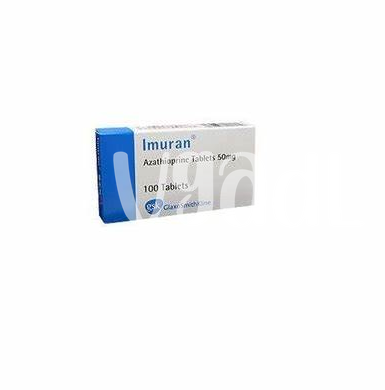
Starting imuran often feels like tuning an instrument: clinicians begin with weight-based doses, then adjust for age, TPMT status, and renal function. Typical starting adult dosing is one to two mg/kg daily; clinicians individualize.
Regular blood tests—CBC, liver enzymes and sometimes TPMT genotyping—guide safe escalation and catch cytopenias or hepatotoxicity early. Frequency moves from weekly to monthly as stability is achieved.
Patients appreciate clear schedules for monitoring, prompt dose changes when labs shift, and advice on infections, vaccinations and pregnancy planning. Open communication and medication lists reduce dangerous interactions greatly.
Drug Interactions, Contraindications, and Safety Precautions Explained
A clinician’s story: a patient switched from mycophenolate to imuran after side effects, and the team mapped potential interactions carefully. Understanding enzymes, concurrent antivirals, and bone marrow suppressants makes the difference between safe control and dangerous toxicity.
Clinicians screen TPMT activity, avoid live vaccines, and pause therapy for severe infections; pregnancy and hypersensitivity remain key contraindications to flag. Regular CBC and liver tests detect early problems, and careful review of drug lists prevents unexpected additive immunosuppression.
| Issue | Examples |
|---|---|
| TPMT deficiency | azathioprine toxicity |
| Drug additive immunosuppression | rituximab high dose steroids |
| Xanthine oxidase inhibitors | allopurinol increases myelosuppression risk |
| Pregnancy caution | avoid or counsel regarding teratogenicity |
| Live vaccines | contraindicated during therapy |
| Monitoring | CBC and LFTs monthly, consult specialist |
Cost, Accessibility, and Personalized Treatment Decision Factors
When a clinician and patient weigh therapy options, financial burden often shapes real-world adherence and outcomes. Out-of-pocket expenses, insurance formularies, and travel for infusion clinics can alter choices.
Availability of generics, local pharmacy stock, and specialty pharmacy support reduces barriers, while strict monitoring requirements or refrigeration needs increase complexity. Clinicians also consider evidence strength for each indication.
Personalized selection integrates comorbidities, laboratory predictors like TPMT testing, pregnancy plans, and patient preferences; multidisciplinary discussions optimize safety, efficacy, and long-term adherence. Cost counseling and clear follow-up pathways further support sustainable therapy choices.