




 Politics, Media, and Medicine: the Hydroxychloroquine Saga
When Politicians Prescribe: Endorsements Versus Scientific Proof
A leader's public endorsement can instantly turn tentative science into widespread expectation, pressuring clinicians and patients alike. Authority often substitutes for methodical proof, mobilizing demand before evidence accrues and transforming cautious hypotheses into dangerous public certainty with lasting social consequences.
Media pick up soundbites and social platforms accelerate them, collapsing nuance into viral claims. This fusion of politics and publicity diverts research attention, biases funding, and frames policy discussions around popular appeal rather than randomized, peer-reviewed results adequately.
Better outcomes follow when officials defer to scientists, clearly communicate uncertainty, and fund rigorous trials. Preserving the boundary between policy advocacy and clinical practice protects public trust, ensures resources reflect evidence, and minimizes preventable harm over time.
| Action | Likely Effect |
|---|---|
| Political endorsement | Increased demand despite limited proof |
| Clear scientific communication | Improved public trust and better policy |
Media Frenzy: Headlines, Spins, and Viral Misinformation

Newsrooms raced to frame every preliminary result as a breakthrough, converting modest lab observations into front-page certainty. Attention-grabbing headlines demanded clicks; nuance and caveats were casualties. Readers were left chasing certainty in an uncertain moment.
On social platforms, simplified claims about hydroxychloroquine spread like wildfire: memes, short videos, and influencers distilled complex science into binary claims of miracle or menace. Algorithms rewarded engagement, not accuracy, so sensational posts outran careful reporting. Officials and clinicians struggled to respond effectively.
The result was public confusion and hurried policy responses as officials reacted to viral stories rather than peer-reviewed evidence. Rebuilding trust requires better fact-checking, editorial restraint, and digital literacy to ensure science is conveyed with context urgently.
Science under Fire: Rushed Studies and Premature Claims
Laboratories and hospitals scrambled as preliminary reports promised quick answers. Urgency transformed cautious hypotheses into press releases, and tiny, underpowered studies were presented as definitive. The rush elevated hope above methodical verification and rigorous skepticism.
Trials of hydroxychloroquine became politicized fast: small cohorts, varied endpoints, and inconsistent dosing muddied interpretation. Peer review lagged while preprints and media briefings set policy debates ablaze, making replication and meta-analysis afterthoughts rather than priorities.
The consequence was scientific confusion and ethical strain: patients enrolled under ambiguous consent, clinicians prescribing off label, and scarce resources diverted from rigorous trials. Rebuilding trust demands transparency, sound methodology, and patience rather than headlines or political expedience to prevent future harm and restore credibility.
Clinical Chaos: Trials, Conflicting Data, and Retractions
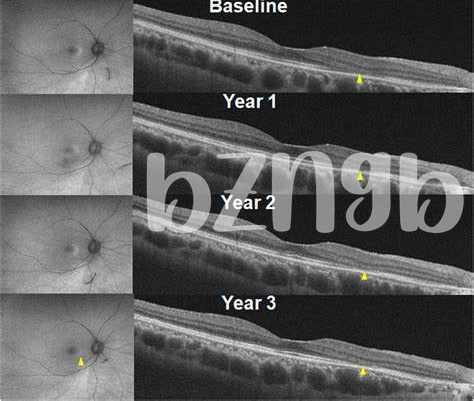
Early in the pandemic clinicians and researchers raced to test hydroxychloroquine, producing a patchwork of small trials, retrospective analyses, and press released results. Enthusiasm outpaced rigor: inconsistent endpoints, poor randomization, and underpowered samples yielded conflicting signals that doctors struggled to interpret while patients demanded answers.
The situation intensified when high profile papers were published and later withdrawn, exposing weaknesses in data sharing, peer review, and eroding credibility. Retractions and contradictory meta analyses forced guideline reversals, delayed coherent care, and highlighted the need for preregistration, transparent protocols, and coordinated multicenter trials. Rebuilding trust will require clear communication, timely errata, funding for large randomized studies, and safeguards to prevent rushed publication under political pressure and restore confidence.
Public Trust Declines Amid Mixed Signals and Hype
Citizens felt betrayed as shifting claims about hydroxychloroquine turned hope into confusion. Rapid endorsements from leaders and headlines outpaced careful science, leaving unsure whom to trust.
Community doctors struggled to reconcile studies with clinical reality, while feeds amplified anecdotes. Misinformation clusters hardened into beliefs, eroding confidence in institutions that once guided public health.
Restoring trust requires transparent data, consistent messaging, and accountability from scientists, politicians, and media outlets. Targeted education and calmer reporting can blunt future hype and help communities evaluate treatments rationally. Rebuilding takes time.
| Cause | Effect |
|---|---|
| Hype | Doubt |
Policy Remedies: Media Literacy, Regulation, and Scientific Resilience
After the hydroxychloroquine tumult, governments and institutions face a clear mandate: equip citizens to judge health claims. Practical media literacy programs can teach people to spot questionable headlines, evaluate sources, and understand statistical certainty, turning sensational clicks into informed skepticism.
Regulatory measures should balance rapid information flow with safeguards: platforms need transparency about promoted content, rapid takedown protocols for harmful claims, and support for independent fact-checking. Policymakers must avoid censorship while enforcing clear penalties for deliberate, harmful misinformation.
Science needs resilience: fund reproducible research, preregister trials, and create rapid peer-review networks that prioritize rigor over speed. Community engagement and transparent data sharing rebuild trust, ensuring future debates focus on evidence rather than mere celebrity endorsement.