




 Mixing Flexeril and Alcohol: Risks Explained
How Flexeril and Alcohol Interact in Body
Picture a quiet evening when a muscle relaxant meets a drink: receptors that slow the nervous system receive a double dose of sedation, and your reflexes and attention slip. Simple tasks become sluggish as signals between brain and body are dulled, making ordinary decisions riskier.
Beyond sleepiness, breathing and coordination can deteriorate as compounds amplify each other's effects. Heart rate and blood pressure may wobble, and reaction time lengthens—raising fall, accident, and overdose danger. If confusion, shallow breathing, or fainting appear, treat the situation seriously and get medical evaluation promptly.
| Effect | Possible Consequence |
|---|---|
| Sedation | Falls, impaired tasks |
| Respiratory depression | Breathing difficulty |
| Impaired judgment | Accidents, risky choices |
Amplified Drowsiness When Two Depressants Collide
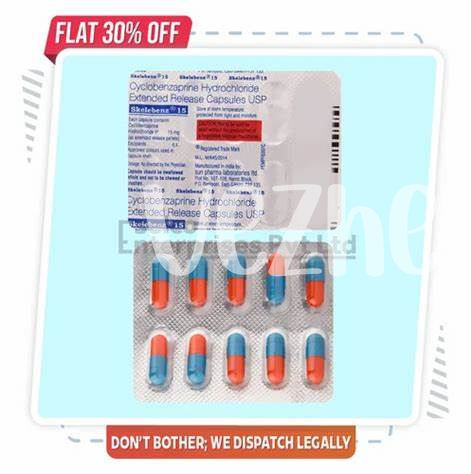
A late evening when muscles ache, popping a pill for relief seems harmless—until the warm blur of wine joins it. flexeril and alcohol both slow the central nervous system, so their sedative effects stack. That double weight can turn ordinary tiredness into overwhelming grogginess, making concentration slip and reaction times collapse as if someone had muted the brain’s alert switches.
You may nod off while driving or fail to respond to danger; falls, choking, and missed breathing are real risks. Avoid alcohol while taking muscle relaxants, skip driving, and ask your clinician about safer alternatives or adjusted dosing. If extreme sleepiness, confusion, or breathing struggles occur, seek emergency care immediately—do not wait, call 911 now.
Serious Respiratory Risks You Shouldn’t Ignore
Night had fallen when she reached for a pill and a glass, not realizing how quickly breathing could betray her. flexeril and alcohol dampen brainstem signals that control respiration, turning mild sleepiness into dangerous shallow breaths or pauses in breathing that demand urgent medical attention.
Even apnea episodes can lower oxygen and strain the heart; in older adults or those with lung disease the effect can be fatal. If someone is difficult to rouse, breathing slowly, or has blue lips, seek emergency care—do not wait to see if symptoms improve.
Impaired Judgment Driving and Everyday Safety

A late-night decision to unwind with a drink after taking flexeril can feel harmless, but the combination blunts mental clarity and slows reaction times. What starts as a cozy haze quickly dulls the ability to assess risks: signal checks, judging distances, and responding to sudden hazards become unreliable. Even simple household tasks—using a knife, climbing stairs, or supervising children—carry higher accident risk when coordination and concentration are reduced.
Driving under these conditions mimics alcohol impairment: lane wandering, delayed braking, and poor decision-making. Studies show combining muscle relaxants and alcohol multiplies impairment beyond either alone, raising crash and injury likelihood. If you feel drowsy or fuzzy, don’t drive; call a taxi or wait until effects wear off. Discuss safer alternatives and timing with your clinician to protect yourself and others—prevention starts with cautious choices. Know local laws and emergency numbers too.
Factors That Increase Danger Dosage Age Interactions
When I first learned how small changes could tip the balance, a friend taking flexeril doubled a dose after nights out. What felt like harmless relief quickly blurred into dangerous sedation, showing how dose and context matter.
Age reshapes risk: older adults clear drugs more slowly and children metabolize unpredictably. Body weight, liver or kidney disease, and genetic differences in enzymes all sway how intense effects become.
Combining medications multiplies hazards: opioids, benzodiazepines, antihistamines, and even some antidepressants can amplify sedation or depress breathing when paired with a muscle relaxant. Over-the-counter remedies and alcohol add hidden potency.
Talk openly to clinicians about all substances, start low and slow if a muscle relaxant is needed, and never mix with booze or other depressants. Watch for confusion, shallow breathing, or fainting and seek prompt medical attention if symptoms escalate.
| Risk | Why |
|---|---|
| Advanced age | Slower metabolism raises blood levels |
| Multiple depressants | Added sedation and respiratory depression |
| Organ impairment | Reduced clearance increases toxicity |
How to Reduce Harm and Seek Help
After a few drinks, Maria felt the world tilt and understood she’d mixed her muscle relaxant with alcohol. She stopped drinking, sat down in a safe place, and asked a sober friend to stay. She called her clinician for guidance, avoided driving, and monitored breathing and alertness. Small precautions can prevent a frightening situation from worsening.
Seek urgent care if slurred speech, shallow breathing, confusion, or unresponsiveness appear; these are red flags. In non‑emergencies, contact poison control immediately or the prescriber for tailored advice and bring medication lists. Consider counseling for alcohol use and set plans to avoid mixing medications in the future — a clear plan and professional support reduce risk and restore control.