




 Finasteride Vs. Minoxidil: Choosing Your Best Option
How Finasteride Stops Hair Loss at Source
I used to watch my hairline inch back until a clearer explanation made a difference: a hormone called DHT shrinks follicles over time. Finasteride blocks the enzyme that converts testosterone into DHT, lowering scalp DHT and halting follicle damage.
By targeting 5-alpha-reductase type II, the pill reduces the hormonal signal that causes miniaturization. Without that constant DHT pressure, susceptible follicles stop shrinking, preserve their growth phase, and can stabilize rather than progressively thin.
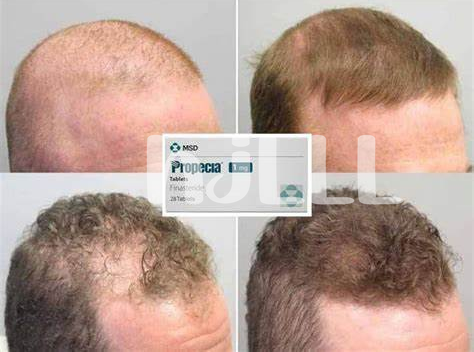
Results are gradual: visible slowing within three months and measurable improvement by six to twelve months for many men. The mechanism explains why continuous daily use is needed—stopping treatment allows DHT to rebound and the shrinking process to resume.
Understanding this root cause focus helps choose plan: hormonal blockage treats the underlying driver of male-pattern loss, so when appropriate it’s a logical, science-backed option for long-term management.
| Target | Effect |
|---|---|
| 5-alpha-reductase (type II) | Reduces scalp DHT, protects follicles |
How Minoxidil Stimulates Regrowth and Thickness
She began treatment hopeful, tracking tiny changes in the mirror; within weeks soft, fine hairs appeared and gave early signs that a dormant scalp was responding slowly again.
At a cellular level, it opens potassium channels and dilates microvessels, boosting blood flow so follicles receive more oxygen and nutrients, which helps prolong anagen and support growth and strength.
Unlike finasteride and its hormonal action, minoxidil is applied topically, thickening hair shafts, reactivating shrunken follicles, and often showing visible improvement after months of use without systemic effects.
Initial shedding is common as weaker hairs fall and stronger follicles emerge; patience, correct application, and ongoing treatment are essential to achieve noticeable density and long-term benefits for many.
Comparing Effectiveness: Real Results and Timelines
Early users often describe a cautious optimism: shedding slows within three to six months, and the scalp looks fuller over time. finasteride tends to show stability sooner because it blocks DHT, while topical treatments require longer application to reveal new growth.
Minoxidil may produce visible thickening and new, fine hairs by four to six months, but peak improvements often appear after a year. Combining therapies can accelerate gains; studies indicate additive benefits compared with either agent alone.
Real-world results vary with age, baseline loss, and adherence; younger patients typically respond best. Patience and consistent use are essential—stop treatment and benefits often regress—so set realistic timelines and track progress with photos and consult a medical clinician.
Side Effects, Safety Profiles and Long-term Risks
Understanding potential reactions matters as much as tracking gains. Finasteride can reduce libido and cause erectile difficulties or ejaculatory changes in a minority of users; some report breast tenderness or enlargement. Most sexual effects appear early and often reverse after stopping treatment, though rare persistent cases are reported and debated. The drug lowers serum PSA and isn’t suitable for women who are or could become pregnant, so handling precautions and medical counseling are essential before starting.
Beyond sexual symptoms, rare mood changes and headaches have been observed, while routine liver testing isn’t generally required but may be considered in individuals with existing hepatic conditions. Long‑term safety data suggest finasteride is well tolerated for many, yet individualized risk assessment, informed consent, and follow‑up improve outcomes. If troubling symptoms emerge, prompt discussion with a clinician helps weigh continuing therapy versus alternative strategies.
Practical Use: Dosage, Application, and Adherence
Starting a routine feels like joining a team: set realistic expectations, schedule, and measure progress. For most men, finasteride is a once-daily oral tablet (1 mg) taken with or without food; topical minoxidil is applied twice daily, a measured 1 ml to the scalp, and needs consistent contact time to work. Skipping doses reduces benefit; hair cycles mean visible change can take three to six months, so persistence rewards patients.
Practical tips help: apply minoxidil to a dry, clean scalp and allow drying before styling; swallow tablets at roughly the same hour each day and store medication coolly. Track doses with an app or pillbox, photograph progress monthly, and report any sexual or mood changes to your clinician promptly. If tolerated, long-term use maintains benefit; stopping typically reverses gains within months, so plan adherence before you start and set realistic reminders.
| Medication | Typical Dose | Notes |
|---|---|---|
| Finasteride | 1 mg once daily | Oral; monthly follow-up recommended |
| Minoxidil | 1 ml twice daily | Topical; apply to dry scalp, allow to dry |
Choosing for You: Cost, Lifestyle, Hair Goals
Consider cost: insurance, prescription fees, and recurring topical purchases affect affordability. Finasteride is often cheaper long term; minoxidil needs regular bottle replacements.
Think about lifestyle: travel, morning routines, intimacy concerns, and willingness to apply nightly treatments to the scalp. Pills are discreet and portable.
Define your hair goals: stop loss, regrow hair, or improve thickness; each treatment favors specific outcomes and expectations. Set realistic timelines and milestones.
Talk with a clinician about side effects, interactions, and monitoring; trying a single agent first clarifies response and tolerability. Compare costs, then commit.