




 Clomid Side Effects: What to Expect
Common Clomid Side Effects and How They Feel
I remember feeling sudden heat and a flutter of nerves during my first cycle; hot flashes and breast tenderness arrived like small warnings. Many describe bloating, mild nausea, and headaches—annoying but usually brief. These sensations can ebb between days, varying with dose and personal sensitivity.
Vision changes are less common but should prompt attention if they occur. Some experience dizzy spells or insomnia, while others note emotional swings that feel sharper than usual. Tracking symptoms helps distinguish typical side effects from signs needing medical review, and timing aligns with cycles.
| Symptom | Typical feeling |
|---|---|
| Hot flashes | Sudden warmth, flushing |
| Bloating | Abdominal fullness |
Less Common but Serious Risks to Watch for

A patient described sudden, severe abdominal pain and dizzy spells after taking clomid; though rare, blood clots, visual disturbances, and severe ovarian enlargement can occur. These complications may escalate quickly, so recognising warning signs—sharp pain, swelling, shortness of breath, blurred vision—is crucial.
Doctors balance fertility benefits against these risks, monitoring with ultrasounds and blood tests. Report any unusual symptoms immediately; early detection often prevents long-term harm. Understanding that most users tolerate clomid well helps, but being vigilant and following medical guidance keeps treatment safer and more effective. Seek urgent care.
Emotional and Mood Changes during Clomid Treatment
During treatment, many people notice mood swings and unexpected emotional highs or lows. One patient described feeling suddenly tearful during everyday tasks, while another felt unusually irritable; such reactions are common with clomid because it alters hormone signaling tied to emotions. Expect variability: some cycles bring anxiety or sadness, others a lift in mood.
Keeping a symptom diary helps identify patterns and informs discussions with your clinician. Simple strategies, such as regular sleep, balanced meals, gentle exercise, and limiting caffeine and alcohol, can dampen mood swings. If emotions become overwhelming, persistent, or interfere with daily life, contact your healthcare provider; they may adjust dosage, suggest counseling, or consider alternative fertility approaches, and track your mood.
Impact on Ovarian Health and Hyperstimulation Risk
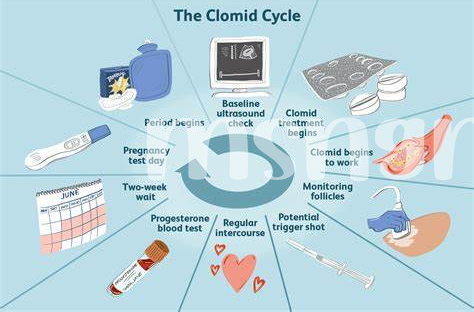
A woman starting clomid notices her body shifting; ovaries can swell as follicles respond, producing mild twinges or fullness. Regular scans and blood tests clarify what's happening inside and why.
A rare but serious complication, ovarian hyperstimulation syndrome may cause weight gain, severe abdominal pain, vomiting, or shortness of breath. Awareness and prompt reporting to your clinician reduce escalation risk.
Balancing fertility goals with safety, doctors tailor clomid dosing and schedule follow-ups to minimize ovarian stress. Communicate symptoms, attend appointments, and ask about alternate protocols if concerns arise for you.
Managing Side Effects: Practical Tips and Remedies
I kept a small ritual: water, rest, and a heating pad, which made clomid’s common cramps and bloating manageable. Tracking symptoms in a simple journal helped me spot patterns so I could adjust diet, timing, or ask for a dose review. Gentle exercise and NSAIDs eased aches most days.
Stay hydrated, prioritize sleep, and try heat packs for persistent discomfort. If nausea, visual changes, or severe abdominal pain appear, contact your clinician immediately; they’ll advise tests or stopping therapy. Simple planning and clear communication turn anxiety into manageable practical steps.
| Tip | Why it helps |
|---|---|
| Hydration & rest | Reduces headaches, supports recovery |
When to Seek Medical Help during Clomid Use
You might expect mild discomfort from fertility pills, but pay attention when symptoms feel disproportionate. Severe abdominal pain, sudden swelling, or rapid weight gain are warning flags that shouldn’t be dismissed.
Visual changes such as blurred vision or flashes, intense pelvic pain, persistent vomiting, high fever, or difficulty breathing may signal ovarian hyperstimulation or other complications; seek medical evaluation promptly. Also contact your clinician if spotting becomes heavy or if bleeding continues.
Emotional red flags—severe depression, panic attacks, or suicidal thoughts—require immediate attention. Keep an accessible plan: save your clinic and emergency numbers, document symptom onset and severity, and stop medication only with professional advice. Prompt, informed action protects your health and preserves treatment options.