




 Clindamycin for Acne: Effectiveness and Tips
How Clindamycin Fights Acne: Bacterial and Inflammation
I remember my first patient who anxiously asked whether a prescription could tame their outbreaks. Clindamycin often becomes that hopeful step; applied to the skin, it attacks acne-related bacteria and calms the redness that follows.
On a molecular level, it inhibits protein synthesis in anaerobic bacteria, reducing Propionibacterium acnes populations. Less bacterial load means fewer immune triggers.
Beyond killing microbes, clindamycin lowers inflammatory signaling, calming pustules and nodules. The result is quicker symptom relief and sometimes smaller scars over time.
It’s most effective when paired with supportive skincare and patience; response varies by lesion type and skin biology, so clinicians tailor duration and combination therapies. Expect improvement in weeks, not days, and continue monitoring regularly.
| Action | Effect |
|---|---|
| Antibacterial | Reduces P. acnes |
| Anti-inflammatory | Decreases redness/swelling |
Topical Versus Oral Clindamycin: Pros and Cons
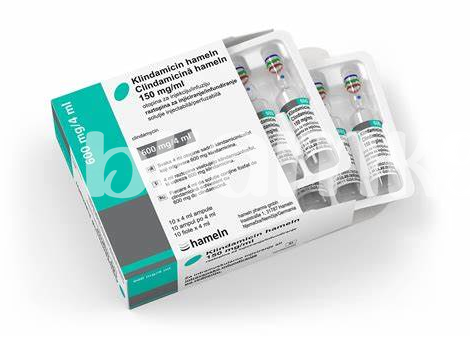
A familiar bottle of topical clindamycin can feel like a local ally, targeting pores directly with fewer systemic effects. Applied as a gel or lotion, it reduces Cutibacterium acnes and inflammation where it's needed while minimizing bloodstream exposure.
Oral clindamycin reaches deep-seated or severe infections and can be more effective for widespread nodular acne, but it carries greater risks, gastrointestinal upset, microbiome disruption, and rare but serious colitis. Physicians weigh these risks against severity and may reserve oral use for short courses.
Choosing between them involves balancing effectiveness, safety, and convenience; many patients start topical therapy and escalate only if necessary, often combining treatments to improve outcomes while limiting adverse effects and aiding recovery effectively.
Evidence Summary: Studies Showing Effectiveness and Limitations
Pooled trials show topical clindamycin reduces inflammatory lesions and improves skin texture within weeks, particularly in mild-to-moderate acne. Results are often modest and slower than with retinoids or systemic antibiotics. Placebo-controlled studies confirm short-term benefit but variable long-term gains.
Oral clindamycin can work for severe acne but carries higher risk of systemic side effects and resistance. Many randomized trials are small or industry-funded, limiting generalizability.
Overall, evidence supports clindamycin as part of combination therapy rather than monotherapy. Clinicians should weigh benefit against resistance risk and monitor response. Patient adherence matters.
Combating Resistance: Combining Clindamycin with Benzoyl Peroxide
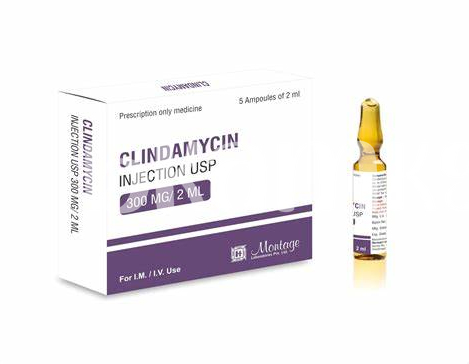
When acne treatment stalls, clinicians often pair topical clindamycin with benzoyl peroxide to outmaneuver resistant bacteria. The story feels simple: an antibiotic reduces bacterial load and inflammation, while a non‑antibiotic partner prevents resistant strains from taking over.
Benzoyl peroxide works by releasing free radicals that kill Cutibacterium acnes and disrupt biofilms, lowering the chance that resistance genes survive. Clinical studies show combination products clear lesions faster and maintain effectiveness longer than antibiotic alone, because the peroxide exerts direct bactericidal effects without promoting resistance.
Start once daily to test irritation, then move to twice daily if tolerated. Expect clearer skin in weeks, not days, and contact your clinician for persistent redness, severe dryness, or worsening symptoms.
Side Effects and Safety: What Users Need to Know
I remember starting clindamycin with cautious optimism; my acne softened, but I monitored redness, peeling and rare allergic signs. Learn to spot itch, swelling, severe diarrhea or fever, and stop treatment if symptoms escalate. Always tell your clinician about allergies and current medications to reduce risk.
Practical safety tips:
| Issue | Action |
|---|---|
| Irritation | Reduce frequency |
| Diarrhea | Seek care |
Practical Application Tips: Routines, Timing, and Expectations
Start with a gentle cleanser, pat skin dry, then apply a thin layer of clindamycin to affected areas once daily as prescribed. Wait before layering moisturizer or sunscreen or makeup.
Expect improvement within two to four weeks and clearer skin by three months; if no benefit or worsening occurs, consult. Combining clindamycin with benzoyl peroxide plus retinoid enhances results clinically.
If irritation develops, reduce application frequency, use a noncomedogenic moisturizer, or alternate nights. Stop and seek urgent care for severe allergy. Follow prescribed duration, store properly, and avoid sharing treatments.