




 Cephalexin Versus Amoxicillin: Choosing the Right Antibiotic
How Cephalexin and Amoxicillin Work Differently
I once watched a clinician choose between two familiar pills, guided by bacterial suspects and patient history. One drug favors penicillin-like targets; the other extends that reach with a different shell, influencing which bugs it can attack and survive.
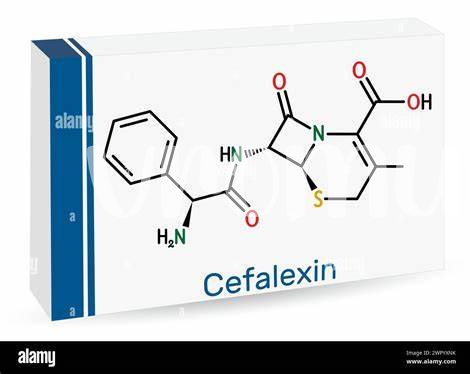
Mechanistically, both interrupt cell wall assembly, but their molecular structures alter stability against bacterial enzymes and tissue penetration. That changes when each excels: some organisms are neutralized by both, while others demand one agent over the other based on resistance patterns.
| Feature | Typical difference |
|---|---|
| Enzyme stability | Cephalexin more resistant to beta-lactamases |
| Tissue penetration | Varies by site and formulation |
| Common uses | Overlapping; amoxicillin often favored for respiratory infections |
| Clinical note | Choose based on infection type, local resistance |
Comparing Bacterial Spectrums: Who Covers What

Imagine two tools in a clinician's kit: amoxicillin commonly targets respiratory pathogens like Streptococcus pneumoniae and H. influenzae, while cephalexin is stronger against many Gram-positive skin organisms such as Staphylococcus aureus (non‑MRSA) and streptococci.
Amoxicillin has broader activity for otitis media, sinusitis and some enteric organisms when combined with clavulanate, whereas cephalexin's Gram-negative coverage is more limited but reliable for cellulitis and wound infections. Choice often depends on likely organisms and infection site.
Understanding these spectra helps clinicians pick empiric therapy, balancing efficacy, resistance patterns and patient factors and cost.
Everyday Uses: Infections Best Treated by Each
In the clinic, decision-making often hinges on likely organisms and tissue involved. For uncomplicated respiratory infections—strep throat, otitis media, and many sinus infections—amoxicillin remains first-line due to strong activity against Streptococcus pneumoniae and Streptococcus pyogenes and good oral absorption.
By contrast, cephalexin shines for skin and soft tissue infections: impetigo, cellulitis, wound infections and infected sebaceous cysts, particularly when methicillin‑susceptible Staphylococcus aureus is suspected. It’s a reliable oral option when beta‑lactamase–producing organisms are not the main concern.
Practical choice also depends on allergy history, severity, and local resistance patterns: amoxicillin with clavulanate or alternative agents may be preferred for animal bites or mixed flora, while cephalexin remains useful for outpatient cellulitis. When infections are recurrent or severe, obtain cultures and tailor therapy—culture-guided adjustments reduce failure and limit resistance while aligning treatment with patient tolerance and cost and prompt follow-up care.
Dosing, Duration, and Practical Prescribing Tips
When initiating treatment, think of the prescription as a roadmap: calculate weight, renal function, and likely pathogen before selecting a dose. Consider drug interactions and local resistance patterns when deciding.
For common skin and soft tissue infections, cephalexin uses 500 mg every 6–12 hours; amoxicillin dosing varies by indication and age, so consult guidelines. Pediatric dosing requires weight-based calculations and formulations.
Duration should be shortest effective course: 5–7 days for many uncomplicated cases, extending for complicated infections or slow clinical response.
Practical tips include documenting indication and stop date, adjusting for kidney impairment, counseling on adherence and side effects, and re-evaluating therapy at 48–72 hours. Use narrowest effective spectrum when possible and document allergy status.
Safety, Side Effects, and Allergy Considerations
I tell patients that antibiotics are tools, not blunt instruments: cephalexin and amoxicillin can both treat common infections but carry different risk profiles. Mild stomach upset and diarrhea are common, while rash or yeast overgrowth may occur. Serious allergic reactions are rare but require immediate attention; always ask about prior penicillin allergies before prescribing.
Consideration of kidney function, pregnancy status, and recent antibiotic exposure guides safer choices. For true penicillin allergy, cephalosporins like cephalexin may be used cautiously after evaluation, but skin testing or allergy consultation is ideal for high-risk cases.
| Issue | Note overview |
|---|---|
| GI upset | Common transient |
| Allergic reaction | Rare seek urgent care |
| Renal dosing | Adjust if impaired |
| Pregnancy | Consult guidelines before routine use |
Antibiotic Resistance, Cost, and Patient Preferences
Clinicians weigh the risk that bacteria will survive and adapt when choosing therapy; overuse and incomplete courses accelerate this problem. Cephalexin and amoxicillin should be selected based on likely pathogens and local susceptibility patterns, not habit. Stewardship preserves options for the future.
Price differences influence adherence: generics are inexpensive and broadly available, while branded formulations can burden patients. Prescribers should consider total cost, including pharmacy copays and lost work time from dosing schedules, when recommending therapy.
Patients value simplicity and tolerability; fewer daily doses and mild side-effect profiles improve completion. Discuss history of reactions, expectations, and lifestyle to align choice with individual needs. Shared decision-making increases adherence and clinical success while reducing unnecessary exposure risk.