




 Azithromycin Resistance: Causes, Spread, and Prevention
How Bacteria Outsmart Macrolides: Genetic Mechanisms Explained
In a microscopic arms race, bacteria tweak their molecular armor to survive macrolide attacks. Mutations in ribosomal RNA and methyltransferase enzymes reduce drug binding, turning once-lethal doses into mere annoyances.
Active efflux pumps eject drugs, while phosphotransferases chemically inactivate macrolides. Mobile plasmids and transposons shuttle resistance between species, amplified by antibiotic misuse and dense biofilms that shelter resistant clones.
Key mechanisms:
| Mechanism | Example |
|---|---|
| Target modification | erm genes |
| Efflux pumps | mef genes |
| Enzymatic inactivation | mph genes |
Human Behaviors Fueling Antibiotic Misuse and Resistance
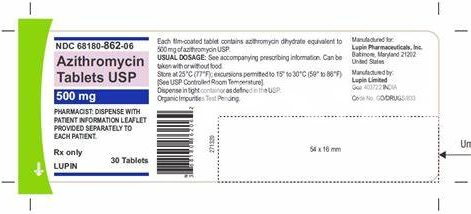
In clinics and pharmacies worldwide, patients often pressure clinicians for quick cures, equating antibiotics with certainty. Self-medication, over-the-counter purchases, and sharing leftover pills are routine; social media amplifies hearsay fixes. The result is azithromycin and other antibiotics used without proper diagnosis. Cheap online pharmacies and diagnostic uncertainty compound poor choices.
Skipping doses, stopping treatment early, or using subtherapeutic amounts creates selective pressure that favors resistant bacteria. Misuse in agriculture and inappropriate prescriptions for viral illnesses magnify the problem, turning individual choices into community-level risks. Resistance increases healthcare costs and limits options for severe infections.
Behavior change—through clear clinician communication, public education campaigns, and easy access to diagnostics—can curb misuse. Encouraging adherence, proper disposal of unused meds, and resisting demand for unnecessary antibiotics helps protect current and future treatment options. Policy support and community engagement accelerate sustained change now and worldwide.
Tracking Global Spread: Surveillance, Diagnostics, and Hotspots
Global surveillance acts like a detective network, stitching together lab reports, genomic sequences and wastewater signals to map where resistant strains rise. High-throughput sequencing reveals mutations and plasmids that spread azithromycin resistance, while rapid diagnostics flag treatment failures earlier than culture alone. Combining molecular data with travel and prescribing patterns exposes transmission corridors, and mobile sequencing units bring precision epidemiology to resource-limited settings, shortening the time from detection to action.
Hotspots often cluster around dense hospitals, crowded urban hubs and regions with unregulated antibiotic access, accelerating local emergence into international threats. Strengthening point-of-care tests, interoperable data platforms and routine carriage surveys creates actionable maps for clinicians and policymakers; timely sharing of standardized data turns local signals into coordinated containment, guiding targeted stewardship, outbreak control and investment where it will most reduce harm and protect future antibiotic effectiveness globally and equitably.
Clinical Consequences: Treatment Failures and Rising Complications
A patient returns after azithromycin seems to fail, and clinicians confront dwindling options. Treatment delays mount while microbiology labs scramble, turning routine infections into diagnostic puzzles with higher stakes now.
Complications previously rare—abscesses, prolonged fever, or hospital admissions—are rising. Empiric therapy falters; broader-spectrum antibiotics are used more, fueling resistance cycles and increasing adverse events and healthcare costs globally each year.
Clinicians must balance urgency with stewardship, guided by susceptibility data and local trends. Investment in rapid diagnostics, targeted therapy, and patient education reshapes outcomes, restoring confidence in azithromycin when appropriate.
Prevention Playbook: Stewardship, Vaccines, and Smarter Prescribing
In clinics and communities, small changes in prescribing feel like plot twists: clinicians choosing targeted therapy, brief courses, or withholding azithromycin when unnecessary can slow resistance. Stewardship teams teach rapid diagnostics, audit prescriptions, and give feedback that turns good intentions into measurable impact. Patients hear clearer explanations, reducing demand for unnecessary antibiotics, and pharmacies report fewer inappropriate fills.
Vaccination reduces infections that otherwise prompt antibiotic use, cutting ecological pressure that breeds resistant strains. Policy incentives for diagnostics, clinician training, and point-of-care tests encourage smarter prescribing. Together, these measures form a pragmatic strategy: protect patients, preserve azithromycin's utility, and keep future treatment options viable. Community education and surveillance close feedback loops to sustain progress effectively globally.
| Measure | Example |
|---|---|
| Stewardship | Audit & feedback; guideline adherence |
| Vaccination | Immunization campaigns reducing infections |
| Diagnostics | Rapid point-of-care tests |
Policy Solutions: Regulation, Education, and Global Coordination
Governments must tighten regulations, enforcing prescription-only access, surveillance of usage, and penalties for misuse. Public education campaigns and clinician training translate rules into practice, changing expectations and prescribing habits while protecting access for those who truly need antibiotics.
International partnerships should harmonize guidelines, fund laboratory capacity, and enable real-time data sharing to track resistance trends. Equitable funding models, market incentives for new drugs, and transparent accountability strengthen resilience, allowing coordinated outbreak responses and ensuring low-income regions are not left behind in the fight against mounting resistance and saving lives globally.