




 Bone Health and Arimidex: Risks and Prevention Tips
How Arimidex Impacts Bone Density over Time
Beginning therapy can feel like stepping onto a narrow bridge: the medication controls cancer risk but nudges hormone levels downward, and with them a quiet threat to bone strength. Patients often learn gradually that bone health needs active attention.
Estrogen suppression accelerates osteoclast activity, causing measurable declines in bone mineral density within months and accumulating over years, increasing fracture risk especially in postmenopausal women.
| Timeframe | Typical change |
|---|---|
| 0-6 months | Early bone loss begins |
| 1-3 years | Progressive density decline |
Proactive steps, baseline DEXA, regular monitoring, calcium and vitamin D, weight-bearing exercise and medication review can slow loss and reduce fractures. Discuss personalized risk and timing with your oncology team to make a prevention plan starting now.
Recognizing Who Faces Highest Fracture Risk
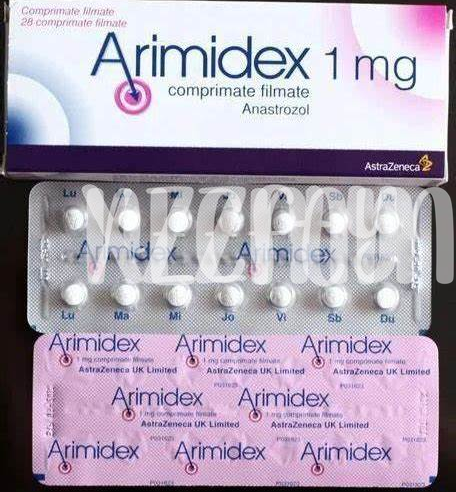
She felt steady until treatment started; then routine errands introduced a new worry. Aromatase inhibitors like arimidex reduce estrogen, thinning bone silently over months and years. Subtle symptoms often go unnoticed until a minor fall causes a major injury.
Higher fracture risk clusters in older women, especially those with prior fractures, low baseline bone density, or long-term corticosteroid use. Lifestyle factors — smoking, excessive alcohol, low body weight — compound vulnerability. Bone density testing and fall history help clarify risk.
Clinicians should flag patients on extended arimidex therapy, those diagnosed with osteoporosis, and anyone reporting height loss or recurrent falls for closer monitoring and preventive measures. Early intervention can lower fracture incidence and preserve independence.
Essential Bone Monitoring: Tests and Frequency
Imagine your bones as a ledger keeping track of years of change; when starting arimidex, that ledger needs regular audits. Begin with a baseline DEXA scan to measure bone mineral density, complemented by FRAX assessment to estimate fracture risk. Blood tests — calcium, vitamin D, and markers of bone turnover — help complete the picture and detect early shifts before symptoms arise.
Typically, repeat DEXA is advised at one year after beginning therapy, then every one to two years or sooner if scores decline rapidly. High-risk patients or those with fractures may need annual imaging and more frequent blood monitoring every six months. Communication with oncology and primary care ensures results guide interventions, from lifestyle changes to prescription bone-protective agents. Staying proactive with scheduled tests gives you evidence to balance cancer treatment benefits against long-term skeletal health and a personalized risk discussion with clinicians.
Dietary Strategies to Support Stronger Bone Health

Imagine your plate as a shield for aging bones: while taking arimidex prioritize calcium rich foods such as low fat dairy, canned salmon with bones, tofu and leafy greens, and spread calcium intake through the day with doses under about 500 mg for best absorption. Vitamin D is the linchpin; get safe sun exposure, eat fatty fish and fortified milks, and check levels with your clinician so any supplement is tailored.
Include adequate protein, magnesium, potassium and vitamin K from beans, nuts, bananas and kale to support bone matrix and reduce fracture risk. Limit excess sodium, high caffeine and heavy alcohol, which can increase calcium loss. Consider calcium plus vitamin D supplements only after medical review and combine dietary changes with exercise and bone density monitoring to counteract aromatase inhibitor related bone thinning. Discuss options proactively with your oncology team.
Exercise, Balance Training, and Fall Prevention
Daily movement becomes an act of stewardship when aromatase inhibitors like arimidex hush estrogen’s bone-protective effects. Begin with weight-bearing walks, gentle resistance (bands or light weights), and twice-weekly strength sessions to stimulate bone remodeling. Short, reproducible routines build confidence and ease adherence; track progress to spot small gains that add up. Work with a physiotherapist to tailor progression and limit joint strain. Start slowly and increase intensity every two weeks.
Balance drills such as tandem stands, heel-to-toe walks and single-leg holds reduce stumble risk and should be done every other day. Add flexibility and ankle-strengthening moves, remove home trip hazards, ensure good lighting, and review meds with your clinician. Together these strategies lower fracture chance and help people on arimidex remain active and secure. Consider a home safety assessment, wear sturdy shoes, review vitamin D status, and check footwear grip.
| Move | Suggested Frequency |
|---|---|
| Tandem stand | Daily, 1–2 min |
| Heel-to-toe walk | Daily, 5–10 steps |
| Single-leg hold | Every other day, 10–30 s |
Medication Options, Supplements, and Risk Mitigation
Facing a diagnosis that threatens your bones can feel isolating, but treatments can slow loss and lower fracture risk. Options include antiresorptive agents prescribed with timing, and clinicians weigh benefits against side effects. Reassessment helps tailor therapy to changing bone density and health priorities.
Complementary strategies include adequate calcium and vitamin D, targeted supplements when indicated, strength and balance training, and home safety adjustments to amplify medication benefit. Open dialogue with your provider about risks, monitoring schedules and alternative regimens ensures decisions match personal goals and minimize long term harm.